
Remote Control Buying Guide: Why Original Products Are the Safer Choice
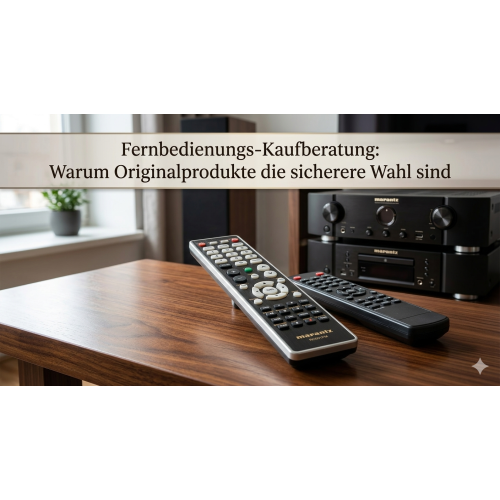
Remote Control Buying Guide: Why Original Products Are the Safer Choice
It is a classic living room scenario: you want to settle in, turn on the TV, or navigate through your favorite streaming apps, but the remote control doesn’t react. After a quick check, it’s clear: the casing has a crack, or the buttons have simply given up the ghost. The first instinct for many users is to head straight to large online marketplaces, where countless replacement devices are offered for just a few dollars.
At first glance, these copies seem tempting. Why pay more for an original remote control when a visually almost identical model from overseas costs only a fraction of the price? However, experience shows that a supposed bargain is often the beginning of a series of frustrations. In this article, we highlight why it pays to prioritize quality when buying a new remote and the risks that cheap replicas bring—often unnoticed.
The Fine Line: Original, Replica, and Universal Solutions
Before we dive into the details, it is important to clarify the terminology. Anyone looking to buy a replacement remote control will encounter three main categories:
The Original Remote Control: This comes directly from the manufacturer of your device (e.g., Samsung, LG, Sony, Marantz). It is exactly identical to the model that was in the box when you first bought your equipment.
The Compatible Remote (Brand-Name Replacement): These are devices from third-party providers who specialize in accessories. They are often solid but usually differ in design and tactile feel.
The Cheap Replica: These are visual copies of the original, often sold without a brand name or under fantasy names. They suggest they are the original but save massively on technology and materials.
The difference between a compatible remote and an original usually becomes apparent only after unpacking. While the original is ready for immediate use, users of cheap imports often struggle with poor signal transmission or missing special functions.
Daily Frustration: When the Remote Control Doesn’t Work
The main problem with extremely cheap replicas is technical unreliability. A common phenomenon is the limited range and poor angle of the infrared signal. Original devices use high-quality LEDs and precisely tuned frequencies. With cheap copies, you often have to aim exactly at the TV sensor for a command to be recognized. Even a slightly awkward angle can mean the remote control won't work.
Another aspect is the pressure point of the buttons. Original remote controls usually use long-lasting contact mats made of high-quality silicone or rubber. In contrast, the buttons on replicas often feel "mushy" or start sticking after just a few weeks. It is particularly annoying when vital buttons for menus or Smart TV functions aren't mapped at all or trigger a completely different function than what is printed on the casing.
An Underestimated Risk: Material Quality and Health
One point that is rarely addressed in sales pitches or product descriptions is the chemical composition of the devices. Remote controls are among the household objects that we hold in our hands for hours every single day. Your skin has direct contact with the casing and buttons, making material choice a matter of health.
Untested Plastics and Plasticizers
Cheap replica remotes from overseas are often not subject to the strict controls mandatory for the European or North American markets. While brand manufacturers must ensure their products comply with guidelines such as RoHS (Restriction of Hazardous Substances) or REACH (Registration, Evaluation, Authorisation, and Restriction of Chemicals), these are frequently bypassed in no-name products.
To make plastics flexible or casings particularly cheap, low-grade plasticizers (phthalates) are often used. These substances can enter the body through skin contact. The problem is that many of these chemical compounds are odorless. Therefore, you cannot tell just by the "typical plastic smell" whether a product is contaminated.
VOCs and Microparticles
Furthermore, inferior plastics can emit Volatile Organic Compounds (VOCs), which you then breathe in. Another risk is mechanical abrasion: constant rubbing by fingers can release tiny particles that are unconsciously transferred via the hands to food or directly into the mucous membranes. Since remotes are often used by the whole family—including children—using certified materials in an original is a decisive safety advantage.
Why the Original is the Cheaper Choice in the Long Run
When a cheap remote control causes problems, customers usually end up back at a specialist dealer to buy the original anyway. This means you’ve spent money twice and produced electronic waste in the process. The advantages of the original are clear:
Absolute Compatibility: Every button does exactly what it is supposed to do. No programming or searching for codes is necessary.
Durability: Original casings are usually more robustly manufactured and can survive a fall from the sofa unscathed.
Resale Value: Should you wish to sell your device (e.g., the TV or Hi-Fi system) one day, an original remote significantly increases the value and attractiveness of the offer.
Certified Safety: Compliance with international standards ensures that you don't have to worry about pollutants in your living room.
In our daily consulting, we often hear from customers who were initially frustrated by a $10 replica before finally choosing the original. The haptics, weight, and reliability of an authentic manufacturer product are worth the difference in daily use.
Conclusion: Quality Pays Off
Buying a remote control might seem like a small thing, but it is the primary interface to your entertainment system. A cheap copy might save you money in the short term, but it costs you nerves in the long run and, due to a lack of material testing, can even be a health concern. When weighing Original vs. Replica, remember that the original was tailor-made for your specific device—both technically and ergonomically.
We always recommend that our customers invest directly in an original product. It is a one-time purchase that guarantees peace of mind and comfort for many years.
Checklist: What to Look for When Buying a Remote Control
To ensure you find the right product for your needs, use this short guide:
Check the Model Designation: Don't just look for the TV model; look for the specific designation of the remote control (usually found on the back or in the battery compartment).
Manufacturer Logo: True originals almost always bear the brand logo (Samsung, LG, Marantz, etc.). If it's missing, it's likely a replica.
Safety Seals: Look for indications of CE conformity or RoHS compliance to ensure no harmful substances are included.
Button Layout: Compare the photo of the replacement part exactly with your old remote. If buttons are missing or labels are different, it indicates limited functionality.
Dealer Choice: Buy from specialized dealers who explicitly distinguish between "Original" and "Replacement" and provide transparent information.